The Role of a Snorkel in Protecting Your Engine During Water Crossings
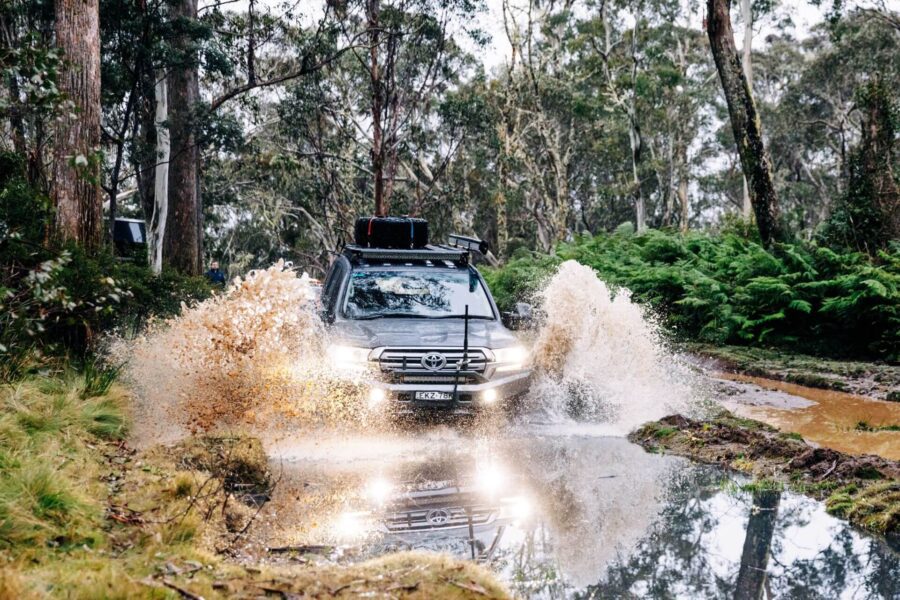
A water crossing can be one of the best parts of a 4WD trip. It can also turn into one of the most expensive if water reaches your engine’s air intake.
Your engine needs a steady supply of clean air to run. The standard air intake on many vehicles sits relatively low inside the engine bay, where it can be exposed to water, dust and debris. During a deep crossing, even a small wave over the bonnet can send water towards the intake.
That is where a properly fitted 4WD snorkel earns its place. By raising the air intake to around roof height, a snorkel helps your engine draw air from a cleaner, higher position. It is a straightforward upgrade that can provide valuable protection during water crossings, dusty touring and off-road driving.
However, there is one thing every driver needs to understand. A snorkel does not turn your vehicle into a submarine. It protects the air intake, but safe water crossings still depend on good preparation, correct installation and knowing your vehicle’s limits.
What Happens When Water Enters an Engine?
Air can be compressed inside an engine cylinder. Water cannot.
If enough water enters the engine through the air intake, the piston may try to compress it during the combustion cycle. Because the water has nowhere to go, the engine can suddenly stop. This is known as hydrolock.
The damage can be immediate and serious. Hydrolock may bend connecting rods, damage pistons, crack the engine block or place stress on other internal components. In some cases, the engine may need a complete rebuild or replacement.
Water does not always cause an instant failure either. Smaller amounts of moisture can contaminate the air filter, restrict airflow and affect engine performance. Mud and dirty water can also carry abrasive particles into the intake system.
Avoiding water intake is much easier and cheaper than repairing the damage afterwards.
How Does a 4WD Snorkel Work?
A snorkel relocates the engine’s air intake from inside the engine bay to a higher position on the outside of the vehicle.
Instead of drawing air from around the guard or wheel arch, the engine takes in air near the roofline. This elevated position reduces the chance of water entering the intake during a crossing.
For the system to work properly, the entire path from the snorkel head to the airbox must be sealed. A tall pipe on the side of the vehicle will not provide much protection if there is an unsealed join, cracked hose or poorly fitted airbox lower down.
That is why the quality of the snorkel, connecting components and installation all matter.
Torqit’s stainless steel snorkels use a fully sealed, one-piece construction. Each snorkel is mandrel bent from 304-grade stainless steel, eliminating unnecessary joins and maintaining a consistent internal diameter for airflow.
Why a One-Piece Snorkel Matters During Water Crossings
Every join in an intake system can become a possible entry point for water. If a connection loosens or a seal fails, water may bypass the raised opening and enter the engine through the lower section of the system.
Torqit manufactures each stainless steel snorkel from a single mandrel-bent pipe. The one-piece construction helps eliminate potential leaks along the main snorkel body.
Mandrel bending also keeps the pipe’s internal diameter consistent through each bend. This reduces restrictions and helps maintain a smooth supply of air to the engine.
The material itself matters too. Torqit uses 304-grade stainless steel because it offers hig structural rigidity and corrosion resistance. It will not warp like some plastic components can when exposed to heat, water and changing temperatures.
Heavy-duty brackets help keep the snorkel firmly mounted when travelling through corrugations, tight tracks and rough terrain. The streamlined shape also helps reduce snagging on branches and vegetation.
A Snorkel Is Only Part of the Intake System
A snorkel may be the most visible part of the intake, but it cannot protect the engine on its own. The airbox and connecting hoses also need to be in good condition and properly sealed.
The airbox receives air from the snorkel and passes it through a filter before sending it to the engine. If the airbox lid has warped, the seal is damaged or the connecting hose is loose, water and contaminants may still get through.
Plastic airboxes can expand and contract as temperatures change. Over time, this movement may affect the clamping pressure around the lid and create gaps in the seal.
Torqit’s stainless steel airboxes are made from rigid 304-grade stainless steel to resist warping in hot, wet and dusty conditions. They feature a tightly sealed construction, integrated water drain, high-flow hoses and silicone joiners.
A raised, tapered lid provides more air capacity, while the oversized filter helps capture dust and other unwanted particles. Pairing a compatible Torqit snorkel and airbox creates a more complete intake system for demanding off-road use.
Does a Snorkel Make Your 4WD Waterproof?
No. A snorkel only helps protect the engine’s air intake.
Your vehicle still has electrical components, transmission and differential breathers, door seals, bearings and other parts that may be affected by water. The manufacturer’s specified wading depth also still applies.
A snorkel should never be treated as permission to drive into water without checking the conditions first. Water may be deeper than it looks, and the bottom can hide holes, rocks, soft mud or a strong current.
Before entering any crossing:
- Check the depth and current where it is safe to do so
- Know your vehicle’s recommended wading depth
- Inspect the snorkel, airbox and connecting hoses
- Confirm that electrical components and breathers are protected
- Choose a safe entry and exit point
- Avoid entering fast-moving water
- Leave the crossing if you are unsure about the conditions
Sometimes the smartest 4WD decision is turning around.
How to Drive Through a Water Crossing
Once you have confirmed that the crossing is safe, select the appropriate gear or low-range setting before entering the water. Avoid changing gears halfway through if possible.
Enter slowly and maintain a steady speed. The aim is to create a controlled bow wave in front of the vehicle without pushing water over the bonnet.
Too much speed can force water into the engine bay and reduce traction. Too little momentum may leave you stuck in the deepest section. Smooth, consistent throttle control is the key.
Avoid stopping in the water unless absolutely necessary. Follow the safest visible line and continue steadily towards the exit.
If the engine stalls, do not immediately try to restart it. Water may have entered the intake. Attempting to start a hydrolocked engine can make the damage worse. Recover the vehicle first and inspect the intake system.
What Should You Check After the Crossing?
The job is not finished as soon as your tyres reach dry ground.
After a significant water crossing, stop in a safe location and check the vehicle. Inspect the air filter and airbox for signs of moisture. Look over the snorkel connections, hoses and clamps to make sure nothing has shifted.
You should also:
- Test the brakes before returning to normal speed
- Remove mud or vegetation from the radiator
- Check oils for signs of water contamination
- Inspect differential and transmission breathers
- Listen for unusual engine or driveline noises
- Arrange a professional inspection if the crossing was particularly deep
Regularly checking the intake system is also important. A snorkel can only provide protection when every component remains sealed and secure.
Snorkel Benefits Beyond Water Crossings
A snorkel is not just for drivers who regularly cross rivers.
Raising the intake point helps the engine draw cleaner air when travelling on dusty tracks. Instead of pulling air from around the wheel arch, the intake sits above much of the dust thrown up by your vehicle and the 4WD ahead.
Cleaner air can reduce the amount of work required from the air filter and help limit abrasive contaminants entering the intake system. Drawing air from outside the hot engine bay may also provide a cooler supply of air.
The result is a practical upgrade for touring, farm work, beach driving and long-distance travel, even if deep water crossings are only an occasional part of the trip.
Choose a Snorkel Built for Australian Conditions
Torqit has been developing 4×4 performance products since 1980. Its stainless steel snorkels are Australian designed and tested for tough local conditions.
Key features include:
- One-piece, fully sealed construction
- Premium 304-grade stainless steel
- Mandrel bends for consistent airflow
- Heavy-duty mounting brackets
- Brushed stainless or satin black powder-coated finishes
- Vehicle-specific fitting template
- Included installation hardware
- Compatibility with Torqit or factory airboxes
- Five-year product warranty
Each snorkel can be installed at home by a confident DIY owner or fitted through an authorised Torqit dealer.
Protect Your Engine Before the Next Crossing
A water crossing should be memorable for the right reasons. A properly fitted snorkel raises your engine’s air intake, reduces its exposure to water and dust, and provides an extra layer of protection when conditions get rough.
For the strongest intake setup, pair your snorkel with a tightly sealed heavy-duty airbox and inspect the full system before every serious trip.
Explore Torqit’s range of stainless steel snorkels, shop compatible stainless steel airboxes or use the vehicle selector to find the right upgrade for your 4WD.
Need a hand deciding what fits? Find a Torqit dealer and get practical advice for your vehicle and the conditions you plan to tackle.